Top 5 Best Osteopaths in Seattle

Are you in pain? Are you looking for a natural way to relieve pain and improve your mobility? Seeing an osteopath may be exactly what you need. These health professionals provide you with a holistic approach to healing your body and improving your health. Below, we take a closer look at how you can benefit from osteopathic treatment.

We also provide a list of who we believe are the top 5 best osteopaths in the Seattle area, and how you can choose a doctor to meet your needs and requirements.
Top 5 Best Osteopaths in Seattle

What is an Osteopathic Doctor and How Can They Help You?

An osteopath is a healthcare professional who uses a holistic approach to diagnose, treat, and prevent musculoskeletal problems. These healthcare professionals focus on conditions that affect the musculoskeletal system, i.e., the bones, joints, and muscles. These professionals are fully licensed and undergo training equivalent to that of a medical doctor.

However, they place a greater emphasis on the body’s musculoskeletal system and a holistic approach.

The distinct approach taken by osteopaths helps patients in several ways.

  • Whole-person philosophy – osteopathy views the body as an interconnected unit of mind, body, and spirit. Rather than simply treating symptoms, e.g., pain, these healthcare professionals consider other factors contributing to your overall health condition, including posture, lifestyle, stress, diet, and environment.
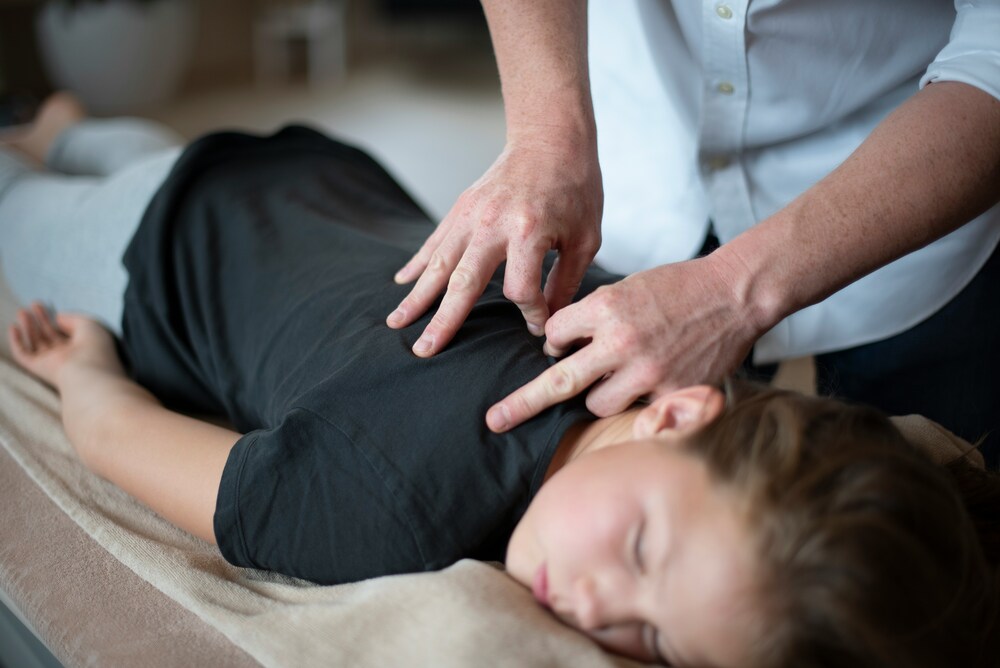
  • Manual therapy – these professionals are trained on the application of hands-on techniques that involve manipulating muscles, joints, and connective tissues. They can help you improve your mobility and experience pain relief. They will help support your body’s natural healing process and thus reduce the need for the use of mainstream medication.
  • Prevention and wellness focus – beyond treating illness, this branch of medicine places a great emphasis on preventive care, developing health habits, and long-term wellness. You will be guided in making lifestyle changes that will improve your health and prevent illness.

How We Selected the Best Osteopaths in Seattle

Below, we’ve compiled a list of the best osteopath care providers in Seattle. We considered various factors in compiling this list, including:

  • The practice history, including patient reviews
  • The offerings of the practice, e.g., sports medicine and services for the entire family
  • Accessibility

Top 5 Best Osteopaths in Seattle

  1. 360 Osteopathy

Location:464 12th Ave, Suite 203, Seattle

Offering: Cranial osteopathy, StemWave Acoustic wave treatments, newborn latching, and manual treatments.

  1. Alchemy Health and Wellness

Location: 4035 Factoria Square Mall, SE, Bellevue

Offering: Manual therapy, custom products, general care, pet care

  1. Vida Integrated Health Ravenna

Location: 4915 25th Ave NE, Ste 104, Seattle, WA

Offering: Chiropractic care, physical therapy, acupuncture, massage therapy, shockwave therapy, and Emsella

  1. Rachel Erickson, ND, Lac

Location: 1406 E Pine St, Seattle, WA 98122

Offerings: Homeopathy, botanical medicine, nutritional supplementation, diet therapy, Chinese herbal formulas, and naturopathic manipulation.

  1. Dhirendra Kumar

Location: 15446 Bel Red Rd, Ste 450, Redmond, WA

Offering: Preventive health care, dermatology, chronic condition management, hormonal health, and wellness
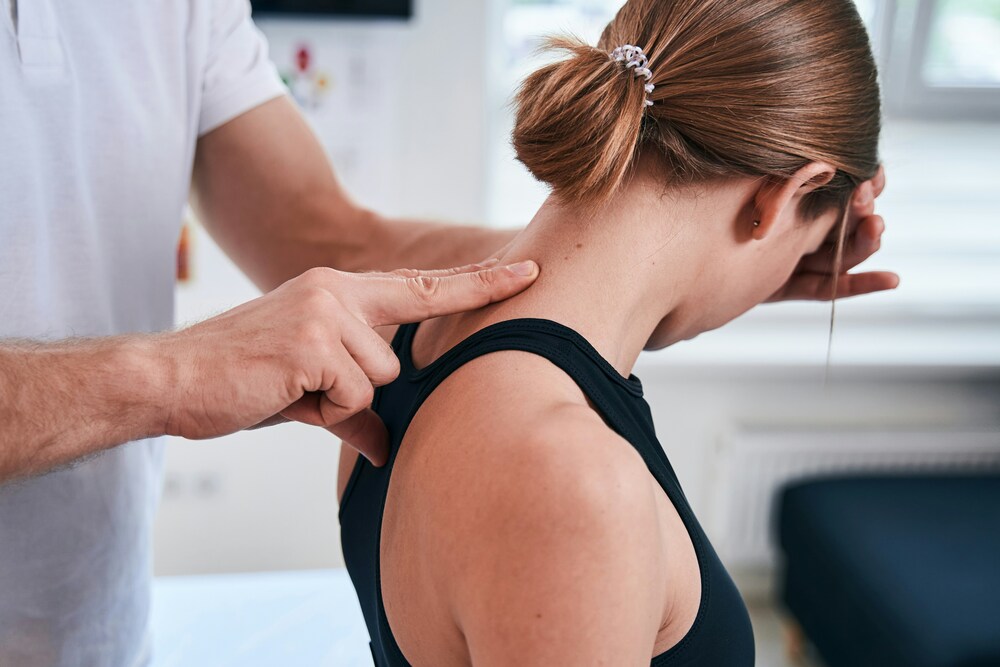
Best Osteopaths in Seattle

How to Choose the Right Osteopath for Your Needs in Seattle

Below are some tips to help you choose the best osteopathic doctor for your needs:

  • Reflect on the type of care you want – what is your goal for seeking osteopathic treatment? Are you looking for long-term primary care? Do you simply want to explore natural methods for managing pain? Do you have a sports injury that requires specialized care? Answering these questions will help you narrow down your options.
  • Ask for referrals, read reviews, and consider feedback – ask for referrals from your doctor or your network of friends and family. Look up comments about how well the doctor listens, the level of care, and how they handle follow-up
  • Confirm licensing and board certification – it is important to ensure that you seek care from a licensed and certified practitioner.

Osteopathic medicine offers a holistic approach to addressing musculoskeletal issues. Use the list and tips above to find the right healthcare provider for you.

 

Acoustic Wave Therapy Vs Manual Therapy: Which Helps Pain More?

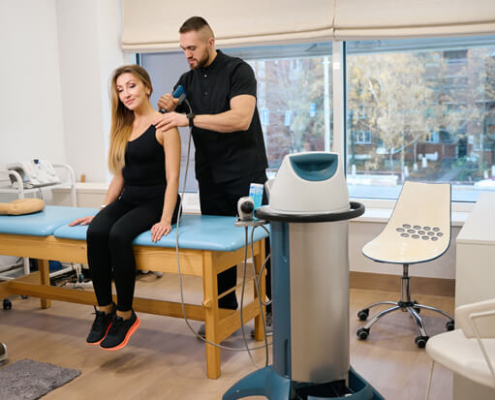
If you’re suffering from pain caused by a musculoskeletal issue, you may be looking into different ways to manage or treat the pain. There is a wide range of non-invasive treatment methods available today. These include physical manipulation as well as acoustic wave therapy. Non-invasive treatment methods are effective for managing or treating both acute and chronic conditions. However, they are not created equal. Each method of treatment has its applications, limitations, and benefits. Below, we explore the differences between acoustic wave and manual therapy. We look at their benefits and limitations to help you make an informed decision.

What is Acoustic Wave Therapy?

This type of treatment involves the application of high-frequency sound waves at low intensity to the body. The sound waves penetrate into the deeper tissues of the body and promote healing as they go.

The sound waves stimulate the circulation of blood to the area. They also trigger repair in the cells. This form of treatment encourages relaxation and reduces tension. The waves are applied to the body using a handheld device.

Benefits and Applications of Acoustic Sound Wave Therapy

If you’re interested in exploring the application of acoustic wave therapy for pain, you’ll be glad to know that there are various conditions that can be addressed using this treatment method. These include:

  • Plantar fasciitis
  • Tennis elbow
  • Bursitis
  • Tendonitis

This technology can also be used to help improve the appearance of scar tissue as well as to manage erectile dysfunction.

What is Manual Therapy?

Manual therapy involves physical manipulation of the body through specific exercises, massages, and stretches. This form of treatment has been applied in healthcare to manage pain and promote recovery for hundreds of years.

Manual therapy improves blood circulation. It also helps to strengthen the muscles, promote stability, and enhance flexibility. It can help to restore atrophied muscles.

Benefits and Applications of Manual Therapy

Physical manipulation of the body is a tried and tested treatment method. Trained and experienced professionals such as chiropractors, osteopaths, and physical therapists are able to tailor the treatment to meet your specific needs and goals. They will also work with you to prevent future injury.

This form of treatment can be used to treat various conditions, both chronic and acute. You can access manual therapy for TMJ (Temporomandibular joint) disorder, bursitis, chronic back pain, and more.

Which Option is Right for You?

There are various factors to consider when deciding which option is best for you. These include:

  • Your condition – it is important to understand your condition and whether the treatment method can be used to treat it. For example, sound wave therapy would be a great option for treating soft tissue injuries as well as chronic tendon issues that haven’t responded well to other forms of treatment. Physical therapy is effective for improving mobility as well as treating muscular imbalances.
  • Safety – Both of these treatment methods are non-invasive. They therefore have few, if any, side effects. However, you may not be able to participate safely in physical therapy, e.g., in cases where you lack the strength for active participation.
  • Speed – Many people opt for sound wave therapy because it provides faster pain relief. Physical therapy requires you to participate in several sessions per week and build on your strength and flexibility over time.

Combining Treatment Methods

In many instances, health care practitioners will combine both therapies to achieve optimal results. Sound therapy will help you with rapid pain relief, while manual therapy will build muscle and increase flexibility for long-term benefits. At 360 Osteopathy, we provide patients with a combination of therapies tailored to meet their specific needs and requirements.


Feature Acoustic Wave Therapy Manual Therapy
How it works High-frequency sound waves at low intensity are applied to the body. Involves physical manipulation of the body using exercises, massage, or stretching.
Pain relief focus Stimulates tissue repair and increases blood circulation. Improves muscular strength, stability, and flexibility; also promotes blood circulation.
Sessions needed 3 to 5 sessions, 30 minutes each. Several sessions per week over the course of months.
Results Faster pain relief. Improved strength and mobility over time.
Cost Higher cost per session, but fewer sessions required over time. Lower cost per session, but more sessions may be needed overall.
Best for Conditions affecting tendons and joints (tendonitis, plantar fasciitis, tennis elbow, bursitis). Conditions affecting the muscles.

StemWave vs Traditional Shockwave Therapy

If you’re suffering from chronic pain, you may find it hard to remember a time when your life was pain-free. You may have come to a point where you have accepted the pain as part of your day-to-day life.

If this is you, you will be glad to learn that technology now provides various options for managing and even completely eliminating pain. Below, we explore two noninvasive options to manage chronic pain. These are stemwave therapy and shockwave therapy.

We look at what these options have to offer and what to consider when determining which one would be best for you.

Shockwave Therapy

Also referred to as extracorporeal shockwave therapy (ESWT), this type of treatment has been applied in the healthcare industry since the 1980s. It has been used successfully in the treatment of conditions that cause chronic pain, such as tendonitis and plantar fasciitis. It involves the application of high-energy acoustic waves to the affected part to stimulate the flow of blood to the area and, therefore, encourage healing. This form of therapy has been shown to reduce inflammation, boost the repair of cells, and speed up healing by causing micro-trauma.

Treatment sessions are short (15 to 30 minutes), and patients only experience mild discomfort. Discomfort is temporary, and minimal time is required for recovery.

Stemwave Treatment

This is a type of shock wave therapy that focuses on regenerative healing. It applies shock waves to damaged tissues to stimulate repair in a similar way as is observed in stem cell therapy.

The sound waves stimulate the flow of blood to the area where there are damaged tissues. This therapy helps to accelerate the natural healing process and thus reduces pain.

Stemwave Therapy vs Shockwave Therapy

So, which is it going to be? Stemwave vs shockwave therapy? The truth is, both of these therapies apply similar principles to stimulate cell repair and healing of damaged tissues. They have both been shown to be effective in the treatment of musculoskeletal conditions as well as in dealing with chronic pain. They are both effective noninvasive alternatives to the use of medication or surgery for the treatment of chronic conditions.

If you find yourself having to choose between the two treatment options, you might want to think about things like how well the specific condition you are dealing with has been treated in the past. Shockwave therapy has a long and proven track record of success in the treatment of chronic conditions and the management of pain.

Another consideration is what you hope to achieve with the treatment. If you’re looking for regenerative healing aside from pain management, you should consider stemwave therapy. The newer technology offers greater potential in this area than its traditional counterpart.

However, the best way to determine the best option for treatment of your condition is by consulting with your doctor or an osteopath who specializes in the treatment of musculoskeletal disorders. They will diagnose your condition more accurately and determine what treatment would be best suited for you.

Explore Treatment of Chronic Pain with 360 Osteopathy

If you’re suffering from chronic pain and are looking for a non-invasive way to manage or treat your condition, don’t hesitate to contact us, 360 Osteopathy.

Consult with a qualified and experienced osteopath and discover the root cause of your pain. Explore different options to promote natural healing, restore function, improve mobility, and increase your quality of life. We offer a wide range of services to meet the varying needs of our patients.

Contact us now to schedule your consultation or to simply find out more about what we can do for you.

StemWave Therapy: What You Need to Know

Are you suffering from chronic pain? Have you suffered an injury and are looking for healing without the side effects of many conventional medical treatments? Stemwave therapy could be exactly what you need.

This innovative treatment involves the application of sound waves to the body to promote natural healing. The sound waves stimulate the natural healing processes within the body. It is proving to be an effective treatment method for soft tissue injuries as well as chronic pain.

Below, we take a closer look at this revolutionary treatment and its benefits.

What is Stemwave Therapy?

Stem wave therapy is a non-invasive treatment that involves the application of sound waves to the body to stimulate the natural healing processes.

It combines the principles of acoustic wave technology and regenerative medicine. Low-frequency sound waves are applied to the body targeting inflamed or injured tissues.

How it Works

A specialized stemwave medical device is used to produce sound waves at low-frequency. This device is applied to the body targeting injured or inflamed tissues. The low frequency acoustic waves penetrate into the deep tissues and create micro-traumas as they go. This stimulates the natural cell repair and regeneration processes.

As a result, the targeted tissues are repaired. This enhanced cellular activity facilitates faster healing in the damaged tissues.

The sound waves also work by breaking down scar tissue in the body. This reduces inflammation in the targeted areas and results in significant pain relief. This is effective in managing chronic pain conditions.

Conditions Treated Using Stem Wave Treatment

This non-invasive therapy has shown to be highly effective in treating various conditions. These include:

  • Sports injuries – This therapy is an effective rehabilitation tool. It has shown to be effective at speeding up recovery of sports injuries. It also helps to improve performance by enhancing the healing of damaged tissues.
  • Chronic pain – from arthritis to tendonitis, this therapy is proving to be highly effective for providing relief from chronic pain caused by musculoskeletal disorders. This treatment is effective at helping to relieve pain. Patients also show great improvement in their quality of life.
  • Scar tissue – the acoustic waves released during treatment also work by breaking up scar tissue formations. This helps to improve function and reduce pain and inflammation in targeted tissues.
  • Muscle and joint pain – if you suffer from pain that affects the muscle or joints such as shoulder pain, knee pain or back pain, you could be a candidate for this therapy. Targeted treatment can help provide pain relief and promote mobility in the joints.

The Benefits

How stemwave therapy works

There are many benefits for this type of treatment as opposed to other conventional medical treatments. These include those listed below:

  1. It is non-invasive – this is one of the biggest benefits as compared to methods involving surgery. This form of therapy exposes you to fewer risks and quicker recovery compared to invasive methods such as surgery.
  2. It provides significant reduction in pain – patients are able to experience faster restoration of function and therefore engage more fully in their day to day activities.
  3. Patients suffer minimal side effects – this is because the procedure is non-invasive. Patients aren’t exposed to as many risks. It is considered a safer procedure than other options.

Heal Your Body the Natural Way with the Help of the Professionals at 360 Osteopathy

At 360 Osteopathy, we believe that the body has everything it needs to heal itself. We provide patients with access to treatment procedures that enhance the body’s natural healing processes.

Contact us today to explore our procedures and discover what your body is capable of. Get in touch with us now to schedule consultation with an experienced and skilled osteopath.

Migraine Relief Tips That Actually Work

While there’s no physical wound to see and treat, the pain that migraines cause is just as real. They can even cause debilitating pain that interferes with your day to day activities.

While modern medications can both treat and prevent the pain, they don’t offer a long term solution. Many medications also have serious side effects. If you’re looking for long term migraine relief, it is worth considering combining medication with lifestyle changes.

Below, we take a look at some tips for relief.

  • Take a break

When you begin to feel a migraine coming on, do your best to stop and take a break. Turn off lights and loud sounds as these can intensify the pain. Anything that can help you to relax such as a cup of tea, a warm bath, or even a light massage. Acetaminophen works on the pain receptors and can help with pain.

  • Get enough sleep

Migraines are often triggered by lack of sleep. They can also interfere with your sleep. You can experience migraine relief by ensuring you get enough rest. Establish regular sleep hours. Go to bed at roughly the same time every day. Take some time to unwind at the end of the day and reduce distractions during bed time.

  • Osteopathic manipulation therapy

Osteopathy can be beneficial for managing migraines. This treatment focuses on reducing muscle tension, restoring proper alignment and balance in the body as well as improving blood circulation.

Cranial osteopathy in particular is used to release tension and promote relaxation. It applies hands-on techniques to the head and spine to promote relaxation and ease tension. It is a useful approach for relieving migraine headaches caused by tension and stress.

Cranial osteopathy can also help with other types of migraines as it can help improve the function of the Vagus nerve. This nerve plays a key role in pain modulation.

  • Change your eating habits

Your habits around food play a significant role in the intensity and frequency of migraines. Be sure to eat at the same time every day. This consistency will help you avoid headaches related to hunger.

Avoid skipping meals as this increases your risk of suffering a migraine. You should also pay attention to what you eat. Certain foods have been shown to increase the risk of migraines such as caffeine, alcohol, chocolate and aged cheese. Caffeine causes vasoconstriction and some migraines are caused by vasodilation.

Keep a food diary and find out what foods trigger your migraines.

  • Move

Physical activity helps your body release chemicals that help to reduce depression and anxiety. Both depression and anxiety contribute towards making migraines worse. Exercise also helps with weight management. Obesity has been shown to increase the risk of chronic headaches.

  • Manage your stress levels

Headaches are often caused by stress and tension. Learning to manage stress can therefore help to relieve the pain. There are various ways to do this including simplifying your life, taking a break when you’re tired or overwhelmed, managing your time and taking on a positive outlook on life.

You should also consider engaging in migraine self-care activities such as pursuing a hobby, hanging out with friends or even taking a walk.

Schedule Consultation with a Trusted Osteopathic Doctor

Do you suffer from migraines? Are you looking for a holistic approach to managing or completely eliminating your pain? Get in touch with us, 360 Osteopathy and schedule consultation with an osteopath. Discover the root cause of your migraines and explore how our manual treatments can help your body heal itself. Call us now and start your journey to healing.

Post-Concussion Syndrome: Signs & Healing Tips

When a person suffers a concussion (a mild traumatic brain injury), they often experience symptoms related to their injury for a few days or weeks. However, these symptoms typically do not persist longer than three months. When they do, the person may be experiencing post-concussion syndrome.

Also known as persistent post-concussive symptoms, these symptoms typically last beyond three months. They can even be present for more than a year and impact the quality of life of the patient. Below, we take a look at this syndrome and offer some of our best healing tips.

Diagnosis

Unfortunately, there is no single test that can conclusively prove that you have post-concussion syndrome. Healthcare professionals instead rely on various tests as well as an examination of your medical history to diagnose the condition. These tests include:

  • Neurological exams such as testing coordination, memory and reflexes
  • Imaging including CT and MRI scans
  • Physical exams including speech, checking for dizziness and more

Symptoms of this condition vary from person to person. However, they may include:

  • Headaches
  • Dizziness
  • Fatigue
  • Depression
  • Blurry vision
  • Anxiety
  • Irritability
  • Sensitivity to light or noise
  • Poor memory or concentration

How to Treat Post-Concussion Syndrome

There is no single post concussion syndrome treatment. Healthcare professionals instead work towards treating your specific symptoms. Because symptoms vary from person to person, treatments vary as well.

Below are some approaches used to address some of the symptoms suffered by patients.

  • Headaches

Many people suffer tension-type headaches or migraines. There are various methods that can be applied to treat these migraines including administration of medication.

However, overuse of pain medication can contribute to persistent headaches experienced with this syndrome. It is therefore best to seek other methods to address headaches including manual manipulation.

  • Dizziness

Some people experience dizziness or vertigo (a sense that your environment is moving). These symptoms can be effectively addressed using physical therapy or osteopathy.

Physical manipulation may be used to improve balance, prevent falls and reduce your symptoms. This may include manual therapy to improve mobility and reduce musculoskeletal problems, eye movement exercises to improve focus and reduce visual disturbances as well as exercises to enhance balance and coordination.

  • Thinking and memory problems

In many instances, these symptoms go away on their own after some time. Time is therefore often the best treatment for these symptoms.

Treatments such as osteopathy can also be effective for allowing the body and brain to heal on their own. Other treatments that can prove helpful for improving thinking and memory include cognitive therapy, speech therapy and occupational therapy.

  • Vision changes

Many people suffer vision changes after a concussion. These include changes such as double vision and blurry vision. In many cases, symptoms get better over time. However, you can apply various therapies to help improve your vision including seeing a neuro-optometrist.

  • Anxiety, depression and irritability

It isn’t uncommon for people that have suffered brain injuries to display changes in personality or experience anxiety, depression or irritability. When these symptoms persist or heighten after a concussion it may be worth exploring various therapies including psychotherapy, anxiety or depression medication as well as increased physical activity.

  • Light or sound sensitivity

Some people become more sensitive to light or sound. While these symptoms often get better with time, they can be bothersome or persistent. Exposure therapy is often used to help ease the symptoms.

Explore Osteopathic Concussion Supportive Therapy with 360 Osteopathy

If you or a loved one is experiencing persistent symptoms following a concussion, don’t hesitate to contact 360 Osteopathy. Explore hands-on treatments including manual therapy, designed to reduce pain and improve your body’s natural healing functions. We’ll help you achieve a more balanced and healthier lifestyle. Contact us today to schedule your consultation.

Osteopathy for Lower Back Pain

While figures may vary, it’s generally accepted that over 80 percent of the population in America will experience back pain at some point in their lives. If you’re reading this, you’re probably already experiencing back pain and understand just how debilitating it can be.

Lower back pain can be the result of a wide variety of issues including health conditions such as osteoarthritis, sitting for extended periods, poor posture or an injury. Treatments for pain also vary.

Below, we explore how seeing an osteopath for back pain can benefit you.

What is Osteopathy and Can It Be Used to Treat Bottom Back Pain?

Osteopathy is a branch of medicine that deals with diagnosing and treating conditions that affect the musculoskeletal system (i.e. the system that consists of the muscles and skeleton). This means that lower back pain is a condition that would fall into the domain of an osteopath.

However, unlike other branches of conventional medicine that focus on treating symptoms, osteopathy focuses on finding the root cause and restoring function for the whole body. This branch of medicine is based on the idea that the overall function of your musculoskeletal system has a big impact on your general health and wellbeing.

If you want to explore a treatment method that goes beyond the symptoms to treat the underlying cause of your back pain, you should consider seeing an osteopath for back pain. These healthcare professionals use manual therapy to manipulate and move joints and soft tissues to restore balance to your body. They apply a wide range of hands-on techniques to reduce pain as well as to prevent it from returning. The goal of these techniques is to release tension as well as to improve mobility.

What to Expect

If you’re interested in seeing a back pain osteopath, below are some things you can expect on your visit.

  • Finding the problem

Osteopaths work towards identifying the root cause of the problem. At your first appointment, you can expect to answer questions about your health in general including any treatments that you may be on. You will also be subjected to a physical examination for your whole body. Your osteopath will use their hands to feel around your ligaments, joints and tissues.

  • Treatment plan

When the healthcare professional has completed their examination and discussed your health and goals with you, they will determine the best treatment approach for your condition.

They will discuss their recommendations with you including the risks, benefits and costs. You should take the time to understand all that will be involved in the treatment prior to giving your consent.

Treatment Techniques

Osteopathy for Back Pain

Osteopathy applies manual techniques to treat lower back pain in the spine. These techniques are aimed at increasing movement and relieving tension. They include:

  • Soft tissue techniques where pressure is applied to the soft tissues in the lower back to reduce tension and relieve pain.
  • Stretching to relieve stiffness
  • Articulation to increase range of motion
  • Manipulation where quicker thrusting is applied at specific points along the spine.
  • After care

Soreness after an osteopathy treatment is normal. It can last for up to 2 days after treatment. Manual treatments are only a part of the treatment plan. It is important to follow all the recommendations of your healthcare professional for quicker recovery. This may include changes in diet and lifestyle.

Explore Osteopathy for Back Pain at 360 Osteopathy

Are you looking for a long term solution to back pain? Contact us at 360 Osteopathy to schedule an appointment for consultation with an experienced osteopath.

Learn about the benefits of our manual treatment services and how they can be applied to treat back pain. We’d be glad to help you along your journey to a pain-free life.

What’s the Difference Between an Osteopath and a Chiropractor?

Muscular pain, body imbalances, and other conditions affecting the muscles and bones are issues that both osteopaths and chiropractors deal with in their day-to-day practice.

While these professionals share various treatment practices, they are different. These professionals differ in training, the conditions they are qualified to treat as well as their ability to prescribe medication. If you’re confused about which health professional to approach, osteopath vs chiropractor, read on. 

We discuss the differences between the two.

Difference Between Osteopath and Chiropractor

Osteopath vs Chiropractor

Education Osteopath vs Chiropractor

The educational path undertaken by these professionals is different. In order to become an osteopath, you must attend osteopathic medical school to earn an osteopathic medicine degree. You must have completed college before you can attend medical school. You must then undertake 3 to 8 years of practical training within a clinical setting before you can sit for the board certification exam. You must pass this exam in order to receive your license to practice.

Chiropractors also attend college and then go on to earn a 4-year degree as a chiropractic doctor. Following this they are required to take the National Board of Chiropractic Examiners test. They must pass this test in order to receive a license to practice.

What does an Osteopath do?

Osteopaths take a holistic approach to treating conditions. They look beyond symptoms to address environmental and lifestyle factors that could have caused the condition.

They focus on improving the function of the body’s musculoskeletal and nervous systems through manipulating the joints and muscles to relieve pain and restore movement. Osteopaths also apply scientific advancements such as medication and imaging as part of treatment programs.

Osteopaths are qualified to address various health conditions affecting the musculoskeletal system, including:

  • Tendinopathies
  • Tennis elbow
  • Back pain
  • Arthritis
  • Frozen shoulder

What Chiropractors Do

Like osteopaths, chiropractors also apply manipulation techniques to treat musculoskeletal conditions. They use hand pressure, gentle manipulation, as well as quick thrusts to the joints and spine to release tightness, restore movement, and ease pain. These professionals are qualified to handle various conditions, including:

  • Headaches
  • Neck pain
  • Sciatica
  • Low back pain

Should I see a Chiropractor or Osteopath?

Are you even more confused over which health professional to see? Many people wonder whether they should see a chiropractor or an osteopath when afflicted with conditions affecting the musculoskeletal system. Chiropractic treatment is highly effective for treating both acute and chronic pain affecting the back and neck. It can also be effective for the treatment of sciatica and headaches.

Osteopathic treatment is effective for the treatment of muscular and joint pain affecting any part of the body. However, one of the benefits of seeing an osteopath is that they don’t only focus on treating the symptoms but will take a holistic approach.

They will work towards addressing environmental and lifestyle factors that may have contributed to your illness or injury. Making these changes will provide for longer-lasting results and hopefully prevent the issue from recurring.

While you more than often would be referred to a chiropractor by your primary health care provider, you can consult an osteopath as you would a primary care professional. Osteopaths can consult with other healthcare professionals whenever a multidimensional approach is required.

Chiropractic care and osteopathy are both beneficial. Both healthcare professionals focus on conditions affecting the musculoskeletal system. They also both apply manual manipulation to treat these conditions. However, if you’re looking for a holistic approach to your health condition, you would do well to seek the care of an osteopath.

Don’t hesitate to contact 360 Osteopathy to schedule a consultation with an experienced chiropractor. We’d be glad to help you on this journey to better health.

TMJ Disorder: Causes, Treatments and When to See a Specialist

Do you experience jaw pain and stiffness? Does it affect your ability to swallow, chew, or talk? You may be experiencing the symptoms of temporomandibular joint (TMJ) disorder.

This disorder affects the TMJ, the joint where the lower jaw attaches to the rest of the skull. This joint and the muscles that surround it are responsible for jaw movements. They open and close their mouths while chewing and talking.

Below, we take a closer look at TMJ disorder and the treatment options available.

Causes

This disorder can be the result of various causes, including:

  • Trauma to the jaw
  • Chewing hard
  • Habitual clenching or grinding of teeth
  • Stress
  • A poor bite (i.e. malocclusion syndrome)
  • Anxiety
  • Injuries resulting from accidents
  • Poor body mechanics and posture
  • Overuse of the jaw e.g. while chewing gum, exercising, or biting nails.

It’s worth noting that TMJ disorder often develops over time. The symptoms of the condition may, therefore, not be immediately recognizable.

Signs and Symptoms

This disorder manifests with various signs and symptoms. These often include:

  • Shoulder pain
  • Jaw pain, especially in the area directly in front of the ears. The pain is often only felt when opening or closing the mouth
  • Jaw pain when chewing or yawning
  • Neck pain or stiffness
  • Headaches
  • Ear aches or a feeling of fullness in the ears
  • Popping or clicking sounds when opening or closing your mouth
  • Jaw tenderness or pain, especially in the morning

Diagnosis

It is important to have your symptoms evaluated by a healthcare professional in order to have a definitive diagnosis. Diagnosis of this condition often involves a discussion of your symptoms and a study of your jaw.

You may also be required to undergo various diagnostic tests, including:

  • Dental x-rays
  • MRI
  • CT scans

In some cases, TMJ arthroscopy may be used to diagnose the condition. This involves the insertion of a small, thin tube into the joint space. An arthroscope (a small camera) is inserted into the tube to observe the area and aid in diagnosis. This procedure can also be used to release scar tissue or remove inflamed tissue from the area. This can help the jaw move without pain.

TMJ disorder and the treatment

TMJ Treatment Options

There are various options for the treatment of this disorder. These include:

Administration of medications

These include muscle relaxants, pain relievers, anti-inflammatories, and tricyclic antidepressants. These medications help to ease symptoms and manage the condition. However, they may have undesirable side effects.

Therapies

These therapies don’t involve the use of drugs or surgical intervention. They include:

  • Physical therapyTMJ physical therapy involves manual treatment for the disorder. It involves the application of manual manipulation and exercises to strengthen and stretch the muscles surrounding the jaw. Treatments that may be applied include TENS (transcutaneous electrical nerve stimulation) and ultrasound.
  • Mouth guards or oral splints – these are inserted over the teeth. They help ease pain and strain.
  • Counseling – this can help with the psychological aspect and changing behaviors that may worsen the symptoms associated with the disorder.

Surgical procedures

Surgical treatment is often used as a last option. Surgical procedures include arthrocentesis, a minimally invasive procedure used to remove inflammatory products and debris, and modified condylotomy, surgery on the mandible that aims to ease locking and pain.

Visit 360 Osteopathy for Manual Treatment of TMJ Disorder

Are you seeking a natural and holistic approach to the treatment of your condition? Don’t hesitate to contact us at 360 Osteopathy. Schedule an appointment for manual treatment and experience the many benefits of allowing your body to heal itself. Contact us now to book your appointment with a TMJ specialist. We’d be happy to address your inquiries.

Breastfeeding Tips for New Moms

Many moms dream of the day they will hold their little one in their arms and provide them with the nutrients they need while strengthening their bond. Perhaps you do too. Choosing to breastfeed is a great decision, not just for your child but also for you as a mother.

Breastfeeding offers many benefits, including providing nutrients necessary for long-term health and brain development as well as building your child’s immune system. Mothers experience many benefits, including promoting bonding and a reduction in the risk of osteoporosis and breast cancer.

Below, we share some breastfeeding tips to help ensure you and your child get the most out of your journey.

How to Prepare for Breastfeeding

To prepare for your breastfeeding journey, you should focus on:

  • Educating yourself

There is a lot of information available online. However, some information is misleading. The best way to educate yourself about breastfeeding is by attending breastfeeding classes. These classes will provide you with information about how to breastfeed, proper latching, positioning, milk production, as well as possible challenges you may face. They’re perfect for building confidence and helping you address any issues you may encounter.  

  • Prioritize your health and nutrition

Focus on consuming a balanced diet rich in nutritious foods such as fruits, vegetables, whole grains, and lean proteins. Focus on eating foods rich in calcium and iron. Make sure you are well hydrated, as feeding your child can be dehydrating. Consider adding supplements to your diet. Your healthcare provider may provide suggestions for vitamin and omega-3 supplements.

How to Start Breastfeeding?

Babies require more frequent feeds in the first few weeks. Feeding more frequently also helps to establish a good milk supply. Be prepared to feed your baby at least 8 times in the first 24 hours.

  • Strive to establish a good latch by positioning your baby correctly.
  • Hold your baby with its tummy touching yours. There should be no space between your bodies. Your baby should be facing your breast.
  • Their mouth should take both the nipple and most of the dark part around the nipple (the areola). Good positioning and latching are important to avoid sore nipples.

How Long to Breastfeed?

Aim to feed for at least 10 minutes at each session. Babies feed between 7 to 19 times a day.

What Should You Not Do While Breastfeeding?

It is important to ensure that you’re consuming the right foods while feeding your child. It is also important to avoid certain foods and drinks. These include:

  • Alcohol – no level of alcohol in breast milk is considered safe for babies. Avoid drinking alcohol while breastfeeding. If you do drink, wait for at least 2 hours after the alcohol clears from your system to feed your child.
  • Caffeine – limit your intake of caffeine to no more than 3 cups a day. Caffeine in breast milk can cause babies to become fussy and affect their sleep.
  • Some fish – certain types of fish, are high in mercury. These include shark, swordfish, and king mackerel. Mercury is harmful to the development of the nervous system in babies.
  • Certain medications – discuss all medications with your doctor. Some medications can be passed on through breast milk and cause harm.
  • Excessive ‘gassy’ foods – certain foods can cause your baby to be gassy. Limiting these foods can help prevent discomfort.

Get the Help You Need for a Better Breastfeeding Experience

Whether you’re preparing for the arrival of your baby or are looking for ways to improve your feeding experience, we can provide you with the help you need. While classes are a great way for parents to educate themselves about breastfeeding, Lactation consultants are great at helping moms with breastfeeding and troubleshooting when things are not going smoothly, as well as validating new parents, even if things seem to be going well. 

From general breastfeeding support to addressing specific issues, you can rely on our experienced and knowledgeable professionals for help.

Contact us, 360 Osteopathy, to learn about our Newborn latching services and more. We’d be glad to help.