
Acoustic Wave Therapy Vs Manual Therapy: Which Helps Pain More?
If you’re suffering from pain caused by a musculoskeletal issue, you may be looking into different ways to manage or treat the pain. There is a wide range of non-invasive treatment methods available today. These include physical manipulation as well as acoustic wave therapy. Non-invasive treatment methods are effective for managing or treating both acute and chronic conditions. However, they are not created equal. Each method of treatment has its applications, limitations, and benefits. Below, we explore the differences between acoustic wave and manual therapy. We look at their benefits and limitations to help you make an informed decision.
What is Acoustic Wave Therapy?
This type of treatment involves the application of high-frequency sound waves at low intensity to the body. The sound waves penetrate into the deeper tissues of the body and promote healing as they go.
The sound waves stimulate the circulation of blood to the area. They also trigger repair in the cells. This form of treatment encourages relaxation and reduces tension. The waves are applied to the body using a handheld device.
Benefits and Applications of Acoustic Sound Wave Therapy
If you’re interested in exploring the application of acoustic wave therapy for pain, you’ll be glad to know that there are various conditions that can be addressed using this treatment method. These include:
- Plantar fasciitis
- Tennis elbow
- Bursitis
- Tendonitis
This technology can also be used to help improve the appearance of scar tissue as well as to manage erectile dysfunction.
What is Manual Therapy?
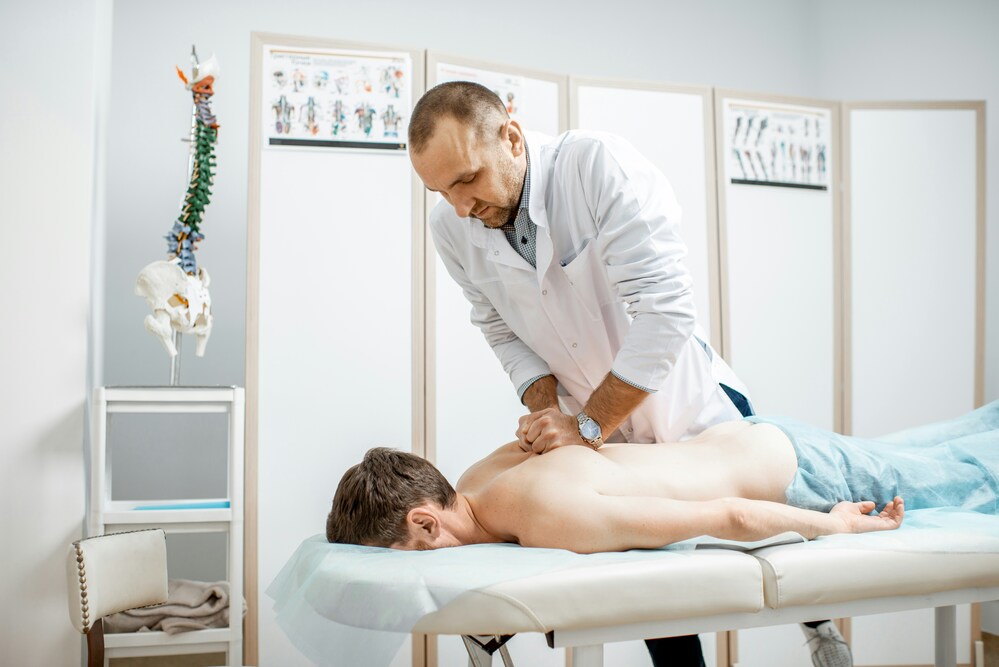
Manual therapy involves physical manipulation of the body through specific exercises, massages, and stretches. This form of treatment has been applied in healthcare to manage pain and promote recovery for hundreds of years.
Manual therapy improves blood circulation. It also helps to strengthen the muscles, promote stability, and enhance flexibility. It can help to restore atrophied muscles.
Benefits and Applications of Manual Therapy
Physical manipulation of the body is a tried and tested treatment method. Trained and experienced professionals such as chiropractors, osteopaths, and physical therapists are able to tailor the treatment to meet your specific needs and goals. They will also work with you to prevent future injury.
This form of treatment can be used to treat various conditions, both chronic and acute. You can access manual therapy for TMJ (Temporomandibular joint) disorder, bursitis, chronic back pain, and more.
Which Option is Right for You?
There are various factors to consider when deciding which option is best for you. These include:
- Your condition – it is important to understand your condition and whether the treatment method can be used to treat it. For example, sound wave therapy would be a great option for treating soft tissue injuries as well as chronic tendon issues that haven’t responded well to other forms of treatment. Physical therapy is effective for improving mobility as well as treating muscular imbalances.
- Safety – Both of these treatment methods are non-invasive. They therefore have few, if any, side effects. However, you may not be able to participate safely in physical therapy, e.g., in cases where you lack the strength for active participation.
- Speed – Many people opt for sound wave therapy because it provides faster pain relief. Physical therapy requires you to participate in several sessions per week and build on your strength and flexibility over time.
Combining Treatment Methods
In many instances, health care practitioners will combine both therapies to achieve optimal results. Sound therapy will help you with rapid pain relief, while manual therapy will build muscle and increase flexibility for long-term benefits. At 360 Osteopathy, we provide patients with a combination of therapies tailored to meet their specific needs and requirements.
| Feature | Acoustic Wave Therapy | Manual Therapy |
|---|---|---|
| How it works | High-frequency sound waves at low intensity are applied to the body. | Involves physical manipulation of the body using exercises, massage, or stretching. |
| Pain relief focus | Stimulates tissue repair and increases blood circulation. | Improves muscular strength, stability, and flexibility; also promotes blood circulation. |
| Sessions needed | 3 to 5 sessions, 30 minutes each. | Several sessions per week over the course of months. |
| Results | Faster pain relief. | Improved strength and mobility over time. |
| Cost | Higher cost per session, but fewer sessions required over time. | Lower cost per session, but more sessions may be needed overall. |
| Best for | Conditions affecting tendons and joints (tendonitis, plantar fasciitis, tennis elbow, bursitis). | Conditions affecting the muscles. |